How Many Vocal Tracks Should I Record?
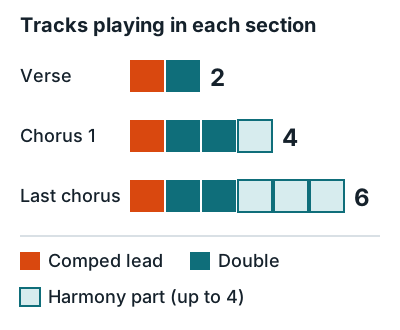
Record four or five full lead takes and comp them into one track, then add one or two doubles and two to four harmony parts at most. So a big final chorus plays about six vocal tracks: one lead, two doubles, and three harmonies.
Lead takes: four or five
Universal Audio's vocal comping basics says a comp can be built from two passes, but the ideal is four or five. Audient's vocal comping tips sets four or five as the maximum per comp, and fewer for short or easy parts. Those takes collapse into one comped lead.
Layers by song section
Antares' guide to double tracking and harmony layers puts the practical limit at a lead, one or two doubles, and two to four harmony parts, building from one harmony in the first chorus to two or three in the last.
Typical counts by genre
Genre shifts where the extra tracks go, per the same Antares guide.
Rock and pop
Lead + doubles
Doubles carry the choruses. Pop almost always adds chorus harmonies too.
R&B and gospel
Lead + harmonies
Stacked harmony arrangements, up to the four part limit.
Rap and hip-hop
Lead + phrase doubles
Doubles on chosen phrases for emphasis, sometimes on a whole verse.
How to record backing vocals covers singing and panning the extra parts. The full workflow is in how to record music at home.
Related questions
How many takes should I record for a lead vocal?
Record four or five full takes and comp the best phrases into one lead. Two takes can work, but four or five give you more choices without becoming hard to manage.
Do all my vocal takes stay in the final mix?
No. The lead takes are comped into one track, so only the comped lead, the doubles, and the harmony parts remain in the mix.
Should I double the verses?
Lightly, if at all. Antares says verses often work best with a single or lightly doubled vocal, and iZotope advises saving doubles for later sections so they have more impact.
More answers: Home recording FAQ